Steady Job Market Is Helping Fuel New Home Sales — But Buyers Are Still Being Careful
Despite higher mortgage rates and affordability concerns, new home sales continue showing resilience in 2026 — and one major reason is the labor market.
Job growth remains steady, wages are still rising, and unemployment levels remain relatively low. That stability is helping many buyers maintain enough confidence to continue pursuing homeownership, even as borrowing costs remain elevated.
But today’s buyers are not rushing into the market blindly.
Instead, they are approaching home purchases with a far more cautious and strategic mindset.
Buyers Still Have Confidence — But Affordability Matters
Buying a home is one of the biggest financial decisions most people will ever make. Buyers are not just looking at today’s mortgage payment — they are betting on the long-term stability of their income and future finances.
Right now, the economy is sending mixed but generally positive signals:
- Jobs are still being added
- Wages continue increasing
- Consumer spending remains steady
- Unemployment remains relatively low
That combination is helping keep housing demand alive.
However, affordability pressures are preventing many buyers from stretching beyond their comfort zone.
Today’s buyers are:
- Comparing monthly payments carefully
- Shopping for incentives
- Negotiating harder
- Taking more time before making offers
- Prioritizing value over urgency
This is no longer the fast-moving “buy now or lose out” market of previous years.
Why New Construction Is Performing Better
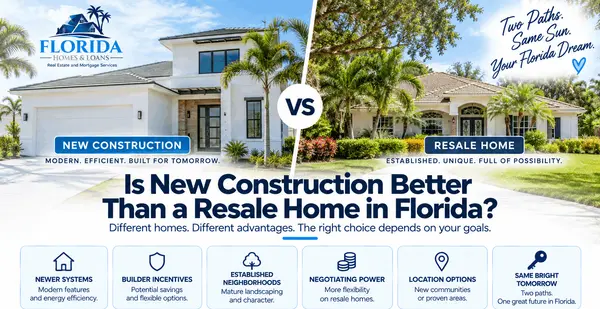
One area of the market continuing to outperform is new construction.
Builders have become far more flexible than many traditional home sellers. Instead of simply waiting for buyers to accept current market conditions, builders are actively adjusting pricing and incentives to make homes more affordable.
Many builders are offering:
- Interest rate buydowns
- Closing cost assistance
- Price reductions
- Appliance packages
- Flex cash incentives
- Smaller and more affordable floorplans
Those incentives are helping bridge the gap between steady employment and higher mortgage rates.
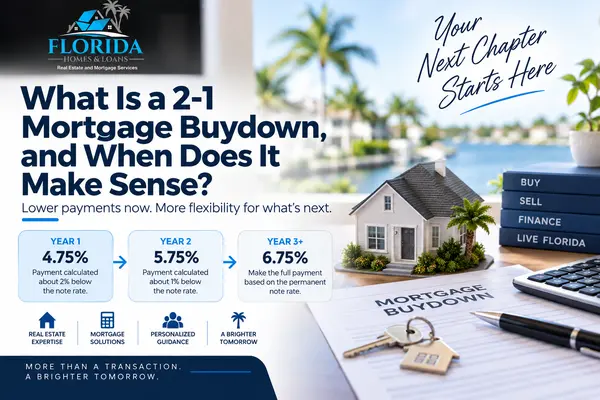
For many buyers, a builder-paid rate buydown can significantly reduce the monthly payment — sometimes making a new construction home more affordable than a resale property.
The Market Is Becoming More Payment Sensitive
One of the biggest shifts happening in today’s housing market is that buyers are increasingly focused on payment, not just purchase price.
A few years ago, buyers were often willing to overlook pricing concerns because rates were historically low. Today, every fraction of a percentage point matters.
That means buyers are paying closer attention to:
- Interest rates
- Taxes
- Insurance
- HOA fees
- Utility costs
- Commute expenses
- Long-term affordability
Builders and sellers who understand this are adjusting accordingly. Those who are not adapting are often seeing homes sit on the market longer.
A Cooling Labor Market Is Changing Buyer Behavior
The labor market remains healthy overall, but it is no longer accelerating at the same pace we saw in previous years.
That slower growth is creating a more cautious buyer mindset.
Many households still feel financially stable enough to buy a home, but they are less willing to:
- Overpay
- Waive protections
- Engage in bidding wars
- Purchase homes outside their realistic budget
In many ways, this is creating a healthier and more balanced market environment.
Buyers are becoming more intentional rather than emotional.
What This Means for Buyers in 2026
For buyers, the current market presents both challenges and opportunities.
Challenges include:
- Higher mortgage rates
- Increased monthly payments
- Affordability pressure
But opportunities include:
- More inventory
- Less competition
- Better negotiating power
- Builder incentives
- More time to make decisions
The buyers seeing the most success right now are the ones focusing on long-term affordability and working closely with experienced real estate and mortgage professionals to structure the right strategy.
Final Thoughts
The housing market in 2026 is not being driven by excitement alone — it is being supported by stability.
Steady jobs and rising incomes are helping keep buyers active, while builders are adapting to affordability concerns through pricing and incentives.
Today’s market rewards preparation, patience, and smart financial planning far more than urgency.
For buyers who stay realistic, informed, and strategic, opportunities still exist — especially in the new construction market where flexibility and incentives are creating pathways to homeownership even in a higher-rate environment.
Categories
Recent Posts