Do you need 20% down to buy a house?

Do You Need 20% Down to Buy a House?
No. Most buyers do not automatically need a 20% down payment. Qualified buyers may have conventional, FHA, VA or USDA options requiring considerably less, although eligibility, property requirements and total cash needed at closing vary.
Why Do So Many Buyers Think 20% Is Required?
The 20% figure is discussed frequently because it can affect mortgage insurance, loan pricing, monthly payments and the amount of equity a buyer has on closing day.
However, buyers often confuse three different questions:
- What is the minimum down payment allowed by the loan program?
- What amount is needed for this buyer to qualify?
- What amount creates the buyer's preferred payment and cash-reserve position?
The minimum allowed amount is not always the best amount to put down, but neither is 20%.
What Down-Payment Options May Be Available?
| Loan type | Potential structure | Key considerations |
|---|---|---|
| Conventional | Low-down-payment programs may be available to qualified buyers. | Private mortgage insurance, property type, occupancy and underwriting rules may apply. |
| FHA | As low as 3.5% down for eligible borrowers. | FHA mortgage insurance and property requirements apply. |
| VA | Potentially no down payment for qualified eligible borrowers. | Entitlement, appraisal, lender and program requirements apply. |
| USDA | Potentially 100% financing for qualified buyers in eligible areas. | Income, location, occupancy and underwriting requirements apply. |
Conventional financing
Some conventional mortgage programs allow qualified buyers to purchase a primary residence with a low down payment. Eligibility may depend on first-time-buyer status, income limits for certain programs, occupancy, property type, credit, debt-to-income ratio, automated underwriting and available reserves.
A conventional loan with less than 20% down will commonly require private mortgage insurance. PMI protects the lender, but it can allow a buyer to purchase sooner while preserving more cash.
FHA financing
FHA-insured loans may allow a down payment as low as 3.5% for eligible borrowers. FHA financing can be useful for buyers seeking a lower-down-payment option, permitted gift funds or more flexible credit qualification.
VA financing
Eligible veterans, service members and certain surviving spouses may qualify for a VA-backed purchase loan with no down payment when the purchase price does not exceed the appraised value and other entitlement, lender and program conditions are satisfied.
USDA financing
USDA's guaranteed loan program may offer 100% financing to eligible low- and moderate-income buyers purchasing qualifying homes in eligible rural areas. Buyers should check the exact property address and current income eligibility.
What Does 20% Down Look Like in Dollars?
On a $400,000 purchase:
These figures represent the down payment only. Closing costs, prepaid expenses, inspections and other transaction expenses are separate.
Think about what the additional cash could do
The difference between 5% and 20% down on a $400,000 home is $60,000. Before using those funds, compare the payment benefit with emergency savings, repairs, retirement, higher-interest debt, business reserves and other financial priorities.
What Are the Potential Benefits of Putting 20% Down?
- A smaller mortgage balance
- A lower principal-and-interest payment
- No monthly PMI on many conventional loans
- A stronger initial equity position
- Potentially improved loan pricing
- Reduced risk of owing more than the property's value
- A potentially stronger offer from the seller's perspective
These benefits must be weighed against the amount of liquid savings the buyer gives up.
What Are the Possible Tradeoffs of Putting 20% Down?
A 20% down payment may not be ideal when it:
- Depletes emergency funds
- Delays the purchase for several years
- Leaves no money for immediate repairs
- Prevents the buyer from paying off more expensive debt
- Concentrates most liquid wealth in one property
- Reduces flexibility for moving and ownership expenses
Two buyers, two reasonable strategies
Buyer A: Puts 20% down, avoids PMI and has $3,000 remaining after closing.
Buyer B: Puts 10% down, pays mortgage insurance and keeps $35,000 in emergency and repair savings.
Buyer A has the lower mortgage payment. Buyer B has greater liquidity. The better choice depends on income stability, savings, debts, expected repairs, risk tolerance and long-term plans.
Is Mortgage Insurance Always a Bad Thing?
No. Mortgage insurance is an expense, but it also enables many buyers to purchase with less than 20% down.
A useful comparison should ask:
- What is the monthly mortgage-insurance cost?
- How does the total payment change at different down-payment levels?
- How long is the insurance expected to remain?
- How much cash would the buyer retain?
- What other uses does the buyer have for that money?
- Can the buyer comfortably afford the complete payment?
FHA and USDA loans generally have their own mortgage-insurance or guarantee-fee structures. VA loans generally do not require monthly PMI, although a VA funding fee may apply unless the borrower is exempt.
Does a Lower Down Payment Make an Offer Weaker?
It can affect how a seller evaluates an offer, but it does not automatically mean the buyer is unqualified.
Sellers may also consider:
- The quality of the mortgage preapproval
- Proof of funds
- Financing and appraisal risk
- Inspection terms
- Earnest money
- Closing timeline
- Requested seller concessions
- The lender's and buyer's preparedness
A carefully reviewed buyer using low-down-payment financing may present less risk than a buyer making a larger down payment whose income, assets or financing have not been properly reviewed.
Does 20% Down Eliminate All Upfront Costs?
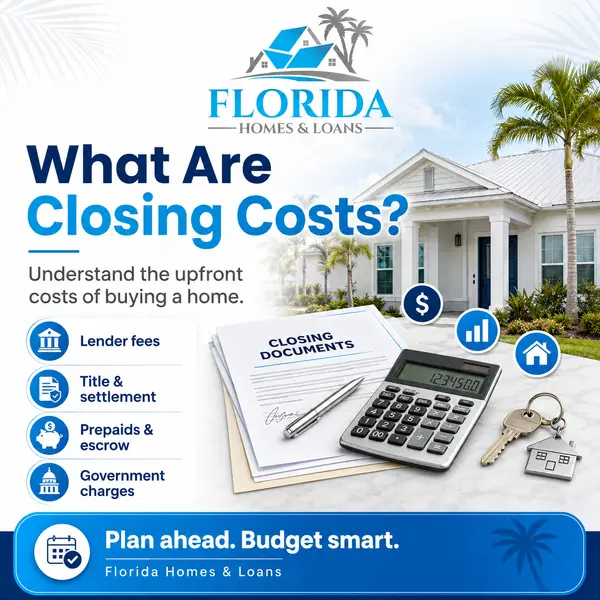
No. Buyers may still pay:
- Lender charges
- Appraisal and credit-related expenses
- Title and settlement costs
- Homeowners and flood insurance
- Property-tax and insurance escrow deposits
- Prepaid interest
- Home and specialized inspections
- Survey expenses
- HOA or condominium charges
- Moving and repair expenses
Cash to close includes the down payment and applicable closing costs, reduced by deposits, seller credits and other adjustments.
Should You Wait Until You Have 20%?
Do not make that decision until you compare your actual options.
Waiting may make sense when:
- The current payment would be uncomfortable
- Your credit needs improvement
- You lack adequate emergency savings
- Your income is unstable
- You expect to move soon
- Saving more would materially improve the loan terms
Buying sooner may be worth evaluating when:
- The payment fits comfortably
- You will retain adequate reserves
- You expect to remain in the home
- The home supports your lifestyle and goals
- A suitable low-down-payment program is available
- Your only reason for waiting is the belief that 20% is mandatory
Frequently Asked Questions
Do first-time homebuyers need 20% down?
No. Many qualified first-time buyers use conventional, FHA, VA or USDA financing that may require considerably less than 20% down.
What happens if I put less than 20% down?
With many conventional loans, putting less than 20% down may require private mortgage insurance. FHA and USDA financing generally have their own insurance or guarantee-fee structures. The exact cost depends on the loan program and borrower profile.
Can I buy a home with no down payment?
Qualified VA and USDA borrowers may have no-down-payment options, subject to eligibility, underwriting, property, appraisal, entitlement, income and location requirements.
Is a larger down payment always better?
Not always. A larger down payment may reduce the loan balance and monthly payment, but it can also reduce emergency savings and funds available for repairs, moving and other financial priorities.
Does putting 20% down eliminate all closing costs?
No. Buyers may still have lender fees, title and settlement costs, appraisal charges, prepaid taxes and insurance, inspections, association charges and other expenses.
Let’s Compare the Down-Payment Options That Fit Your Goals
Florida Homes & Loans can compare the real estate and mortgage sides together so you can understand the payment, cash needed at closing, mortgage insurance and savings remaining after the purchase.
Categories
Recent Posts