Is It Better to Rent or Buy a Home?
Is It Better to Rent or Buy a Home?
Neither option is always better. Buying may make sense when you are financially ready, expect to stay in the home and can manage the full costs of ownership. Renting may be better when flexibility, lower upfront costs or a shorter commitment matter more.
Renting vs. Buying at a Glance
Renting May Offer
- Greater flexibility to move
- Lower upfront cash requirements
- Fewer direct maintenance responsibilities
- More predictable short-term commitment
- No exposure to property-value declines
Buying May Offer
- Potential equity growth
- Greater control over the property
- Long-term housing stability
- Potential appreciation
- A fixed principal-and-interest payment with many fixed-rate loans
How Does Homeownership Build Equity?
Equity is the difference between the property's current value and the amount owed on loans secured by the home.
Equity may increase when:
- The mortgage principal balance is reduced
- The property's value increases
- The owner makes improvements that increase market value
- Additional principal payments are made
Equity growth is not guaranteed
Property values can decline, and selling costs reduce the amount an owner may receive. During the early years of a typical mortgage, a larger portion of the payment generally goes toward interest than principal.
What Costs Should Be Included in the Comparison?
Comparing rent with only the mortgage principal and interest produces an incomplete picture.
| Renting costs | Homeownership costs |
|---|---|
| Monthly rent | Principal and interest |
| Security deposit | Down payment and closing costs |
| Application and move-in charges | Property taxes and insurance |
| Renters insurance | Mortgage insurance when applicable |
| Utilities and parking | HOA or condominium fees |
| Potential rent increases | Maintenance, repairs and improvements |
| Moving costs at lease changes | Future selling and transaction costs |
How Much Upfront Cash Does Buying Require?
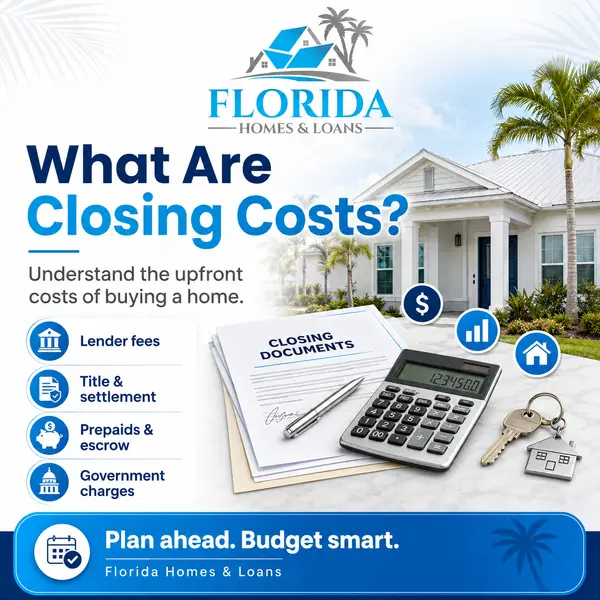
Buyers may need funds for the down payment, closing costs, prepaid taxes and insurance, inspections, earnest money and reserves after closing.
Some qualified buyers may have low- or no-down-payment loan options, but that does not necessarily eliminate every upfront expense.
Do not use every available dollar to close
New homeowners should retain funds for moving, immediate repairs, insurance deductibles and emergency expenses.
When Is Renting More Flexible?
Renting may be useful when you expect employment, family or location needs to change. A lease can still include penalties and notice requirements, but it generally involves fewer transaction costs than selling a home after a short period.
Renting may be practical when:
- You expect to move soon
- Your income or employment is uncertain
- You are unfamiliar with the area
- You are rebuilding savings or credit
- You do not want maintenance responsibility
How Long Should You Plan to Stay Before Buying?
There is no universal minimum period. However, buying generally becomes more practical when the owner remains long enough to spread purchase and future selling costs over several years.
A buyer who sells quickly may not have enough principal reduction or appreciation to recover closing costs, commissions, taxes and other transaction expenses.
Is a Mortgage Payment More Stable Than Rent?
With a fixed-rate mortgage, the principal-and-interest portion generally remains the same for the loan term. However, the total monthly payment can still change because property taxes, insurance, mortgage insurance and association fees may increase or decrease.
Rent may increase when a lease renews, but renters generally avoid direct responsibility for major structural repairs and property-tax increases.
Why Is the Monthly Payment Alone Not Enough?
Illustrative comparison
- Monthly rent: $2,200
- Estimated total mortgage payment: $2,450
- Estimated monthly maintenance reserve: $250
Buying appears to cost $500 more per month before considering principal reduction, appreciation, rent increases, transaction costs and the value of flexibility. A meaningful comparison should cover the expected ownership period, not only one month.
Does Buying Always Create More Wealth Than Renting?
No. Homeownership can be a valuable wealth-building tool, but the outcome depends on the purchase price, financing, maintenance, appreciation, selling costs and length of ownership.
Renters can also build wealth when they consistently save and invest money that is not used for a down payment, repairs or other ownership expenses. The deciding factor is not only whether someone rents or owns—it is also how they manage the financial difference.
What Control Does a Homeowner Gain?
Subject to local law, permits and association rules, homeowners generally have more freedom to paint, renovate, landscape, keep pets and use the property according to their needs.
Renters may face restrictions on improvements, pets, parking, occupants and lease renewal. However, they also avoid responsibility for many major repairs.
How Do You Know Whether You Are Ready to Buy?
You may be ready to evaluate buying when:
- Your income is stable and documentable
- Your credit and debts support mortgage qualification
- You have funds for closing and reserves
- The complete monthly payment fits comfortably
- You expect to remain in the area
- You are prepared for maintenance and repairs
The CFPB advises buyers to consider whether they can afford taxes, insurance, closing costs, moving costs, repairs and other ownership expenses—not only the mortgage payment.
How Should You Make the Rent-or-Buy Decision?
- Compare the complete monthly cost of renting and owning.
- Estimate upfront cash and funds remaining after closing.
- Consider how long you expect to stay.
- Review local prices, rents and available homes.
- Include maintenance and future selling costs.
- Consider flexibility, control and lifestyle goals.
- Complete a documented mortgage preapproval before assuming buying is unaffordable.
Frequently Asked Questions
Is it better to rent or buy a home?
Neither is always better. Buying may suit financially ready households planning to stay, while renting may suit people who need flexibility or have limited savings.
Does buying a home always build wealth?
No. Equity may grow through principal reduction and appreciation, but property values can decline and ownership includes significant costs.
How long should you stay before buying?
There is no universal minimum, but remaining for several years can help spread the upfront and future selling costs over a longer period.
What ownership costs should be compared with rent?
Compare the full mortgage payment, taxes, insurance, association fees, maintenance, closing costs and selling expenses with the complete cost of renting.
Can renters build wealth without owning?
Yes. Renters may build wealth by consistently saving and investing, depending on their housing costs and financial behavior.
Should you buy only because rent is increasing?
No. Rising rent may justify reviewing ownership, but the purchase must still fit your budget, savings, credit, income and long-term plans.
Let’s Compare Renting With Buying Using Your Actual Numbers
Florida Homes & Loans can review the mortgage payment, upfront costs and available homes together so you can decide whether buying now supports your budget and long-term goals.
Categories
Recent Posts