What Is Earnest Money, and Is It Refundable?


What Is Earnest Money, and Is It Refundable?
Earnest money is a good-faith deposit provided after a purchase contract is accepted. It is generally held in escrow and may be refundable when the buyer properly terminates under a contractual right and complies with the required deadlines and notice provisions.
What Is Earnest Money?
Earnest money is a deposit a buyer agrees to provide after entering into a contract to purchase real estate. It is sometimes called a good-faith deposit or escrow deposit.
Who Holds the Earnest Money Deposit?
The purchase agreement identifies the escrow agent. In Florida, the deposit may be held by a real estate brokerage, title company, attorney or another authorized escrow holder.
When a title company or attorney is the escrow agent, Florida contracts commonly identify the holder's name and contact information. Buyers should verify the payment instructions directly before sending funds.
Wire-fraud protection matters
Never rely only on emailed wiring instructions. Independently call the known escrow company using a trusted number and verify the instructions before sending money.
How Much Earnest Money Should a Buyer Offer?
There is no universal amount required for every Florida purchase. The amount is negotiated and may depend on:
- The purchase price
- Local market competition
- The financing structure
- The seller's expectations
- The length of the inspection and financing periods
- The buyer's available funds and risk tolerance
A larger deposit may make an offer appear stronger, but it also places more of the buyer's money under the contract. Buyers should not offer an amount they do not understand or cannot deliver by the stated deadline.
When Is Earnest Money Due?
The deposit deadline is stated in the purchase contract. It may be due when the offer is submitted, shortly after acceptance or in separate installments.
The effective date of the contract often controls the calculation of deposit and other deadlines. Buyers should confirm whether a deadline is based on calendar days or another defined method and should deliver the deposit early enough to avoid a dispute.
Is Earnest Money an Extra Cost?
Usually not when the purchase closes. Earnest money is generally credited toward the buyer's required funds at closing.
Illustrative example
- Estimated cash to close: $24,000
- Earnest money already deposited: $5,000
- Approximate remaining amount due: $19,000
The final amount will include all applicable adjustments, credits and changes shown on the Closing Disclosure.
When Is Earnest Money Refundable?
Earnest money may be refundable when the buyer terminates the contract under a valid contractual right and follows the required procedure.
Possible examples may include:
- Termination during an applicable inspection period
- Inability to obtain financing when protected by a financing contingency
- A title problem that is not resolved as required by the contract
- Failure of an appraisal condition when the contract provides that protection
- Another specific termination right stated in the agreement
The reason alone may not be enough
The buyer may also need to deliver written notice by a specific deadline and in the exact manner required by the contract.
When Can a Buyer Lose the Earnest Money?
A buyer may place the deposit at risk by breaching the contract or failing to exercise a termination right correctly.
Common risk areas include:
- Missing the inspection deadline
- Failing to provide required financing notices
- Walking away for a reason not protected by the contract
- Failing to close after contingencies have expired
- Not delivering the deposit on time
- Making material financial changes that prevent closing
The seller's remedies and the treatment of the deposit depend on the agreement and the circumstances. Buyers should obtain legal advice when a deposit dispute develops.
How Does the Inspection Period Affect Earnest Money?
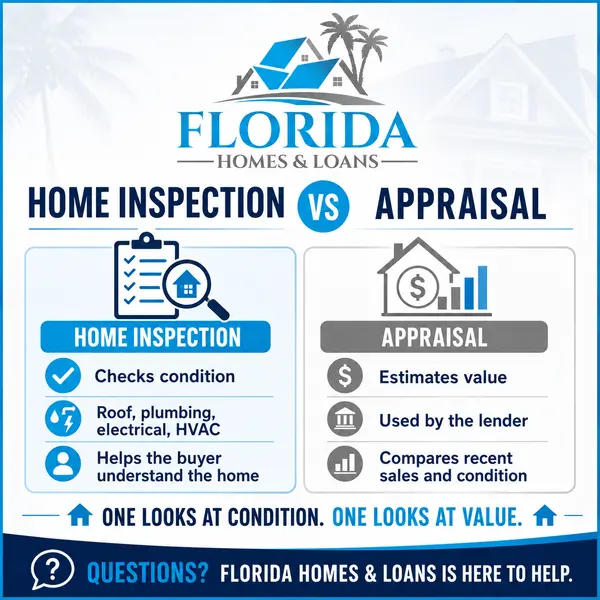
The inspection provision may allow a buyer to inspect the property and terminate within a stated period. The scope of the buyer's rights depends on the specific contract used.
In an as-is contract, a buyer may have a broad right to terminate during the inspection period if the contract provides that option. Once the period expires, the buyer may lose that termination right.
How Does the Financing Contingency Affect the Deposit?
A financing contingency may protect the buyer when financing cannot be obtained, but the buyer must comply with the stated loan-application, approval, notice and termination requirements.
| Buyer responsibility | Why it matters |
|---|---|
| Apply on time | The contract may require a loan application within a stated period. |
| Act diligently | The buyer may be required to cooperate and provide requested documents. |
| Track approval deadlines | Rights may change when the loan-approval period expires. |
| Give proper notice | Failure to provide timely notice may affect the right to cancel and recover the deposit. |
Does a Low Appraisal Automatically Make Earnest Money Refundable?
No. A low appraisal does not automatically provide a cancellation right in every transaction. The answer depends on the financing terms, appraisal provisions and other contract language.
Buyers should understand whether the contract contains an appraisal contingency, a financing contingency that depends on appraisal, an appraisal-gap provision or no appraisal protection.
What Happens If the Buyer and Seller Disagree About the Deposit?
The escrow agent generally cannot simply decide which party is correct without following the applicable contract and legal process. The dispute may require signed instructions, mediation, arbitration, an escrow-disbursement procedure or court action.
The exact process depends on who holds the funds, the contract form and applicable law. A real estate agent cannot provide legal advice or guarantee the result of an escrow dispute.
How Can Buyers Protect Their Earnest Money?
- Read the deposit amount and deadline before signing.
- Confirm the escrow agent and verified payment instructions.
- Keep proof that the deposit was delivered.
- Calendar every inspection, financing and notice deadline.
- Respond promptly to lender and title requests.
- Use written notices in the manner required by the contract.
- Consult a Florida real estate attorney when legal rights are uncertain.
Frequently Asked Questions
What is earnest money?
It is a good-faith deposit made by the buyer after entering into a purchase contract. It is generally held in escrow and credited at closing.
Is earnest money refundable?
It may be refundable when the buyer terminates under a valid contract right and follows the applicable deadline and notice requirements.
Can a buyer lose the deposit?
Yes. The deposit may be at risk if the buyer breaches the contract or misses required deadlines and procedures.
Who holds earnest money in Florida?
The contract identifies the escrow agent, which may be a brokerage, title company, attorney or another authorized holder.
Is earnest money an extra cost?
Usually not when the transaction closes. It is generally credited toward the buyer's funds due at closing.
How much earnest money should a buyer offer?
There is no universal amount. The deposit is negotiated based on the property, market, financing, seller expectations and buyer risk tolerance.
Understand the Contract Before You Risk Your Deposit
Florida Homes & Loans can coordinate the financing and real estate sides so you understand the deposit, deadlines, contingencies and cash needed before submitting an offer.
Categories
Recent Posts