Understanding Various Types of Mortgages Available

A mortgage is more than just a loan. It's a financial tool that can help you achieve your dream of homeownership. But not all mortgages are created equal.
Each type of mortgage has its own set of rules, benefits, and drawbacks. From fixed-rate to adjustable-rate, government-insured to conventional, the choices can seem overwhelming.
This guide aims to demystify the various types of mortgages. It will provide you with the knowledge you need to make an informed decision.
Whether you're a first-time homebuyer, looking to refinance, or interested in real estate investment, understanding the different types of mortgages is the first step towards a successful transaction.
The Role of a Lender in Mortgages
The lender plays a vital role in the mortgage process. They are the entity that provides the funds for your loan, enabling you to purchase a home. Choosing the right lender is crucial, as they impact your loan terms and approval process.
Lenders assess your financial situation, including credit score and income, to determine your eligibility. They are responsible for setting the terms of your mortgage, including the interest rate. Understanding your lender's role helps you make informed choices and guides you through the mortgage journey with confidence.
Fixed-Rate Mortgages: Stability in Your Payments
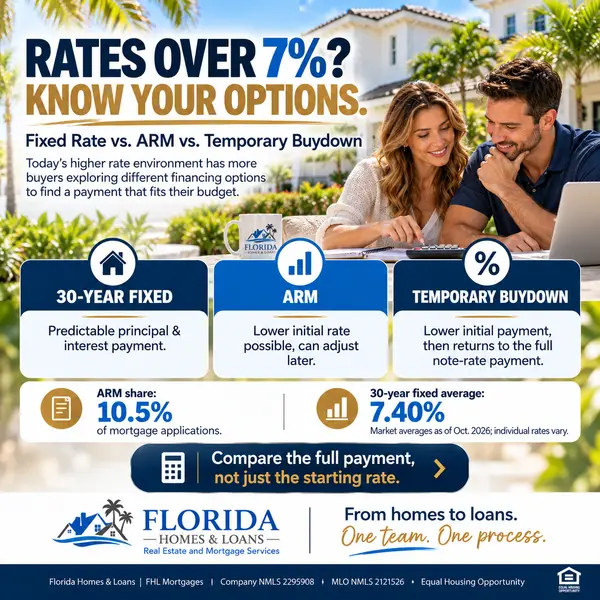
Fixed-rate mortgages offer predictability with unchanging monthly payments. This mortgage type ensures that your interest rate remains the same throughout the loan term. Homebuyers often appreciate this stability as it aids in budgeting and planning for the future.
This mortgage type is ideal for those planning to stay in their home for many years. With consistent payments, homeowners have security against sudden market rate changes, allowing for financial peace of mind.
Pros and Cons of Fixed-Rate Mortgages
When considering a fixed-rate mortgage, it is essential to weigh its advantages and drawbacks.
Pros:
- Predictable payments
- Long-term stability
- Protection from rising rates
Cons:
- Higher initial interest rates
- Less flexibility if rates fall
Understanding these factors is crucial when choosing a fixed-rate mortgage. Knowing what fits your lifestyle and financial situation best is key.
Adjustable-Rate Mortgages (ARMs): Lower Initial Rates
Adjustable-rate mortgages (ARMs) offer an attractive option with their initial low interest rates. This feature often results in lower initial monthly payments compared to fixed-rate mortgages. The introductory period can last anywhere from one to several years, depending on the loan terms.
However, after this initial period, the interest rates adjust according to market conditions. This adjustment can increase monthly payments, which means potential financial unpredictability for borrowers. Thus, ARMs are often chosen by those not planning to stay in their home long-term.
Pros and Cons of ARMs
Evaluating ARMs requires careful consideration of their benefits and potential risks.
Pros:
- Lower initial rates
- Potential for savings if rates decrease
- Flexibility if planning to move
Cons:
- Uncertainty after rate adjustment
- Possible payment spikes
- Market dependence
Understanding how ARMs work is vital for making an informed decision. Careful analysis can help prevent future financial strain.
Government-Insured Loans: FHA, VA, and USDA
Government-insured loans can make homeownership attainable for many who might otherwise struggle. The Federal Housing Administration (FHA), Department of Veterans Affairs (VA), and United States Department of Agriculture (USDA) offer these loans. Each program has unique benefits tailored to different needs.
FHA loans are accessible to first-time buyers or those with less-than-perfect credit. VA loans are specifically for eligible veterans, providing favorable terms. USDA loans focus on rural areas, promoting housing development in less populated zones.
Key benefits include:
- Lower down payments
- Flexible credit requirements
- Reduced interest rates
These loans ease the path to homeownership, especially for qualifying individuals. Understanding which loan suits your situation is crucial.
Who Qualifies for Government-Insured Loans?
Eligibility for government-insured loans varies by program. FHA loans require a modest credit score and a reliable income. They often appeal to first-time buyers. For VA loans, active-duty personnel, veterans, and some military spouses qualify, focusing on those who served.
USDA loans cater to applicants in rural areas with moderate incomes. The property location must meet specific rural criteria for eligibility. Qualification requires research to match individual circumstances with the right program. Knowing the specifics can help secure the right loan for your needs.
Conventional Loans: Understanding the Basics
Conventional loans are a popular choice for homebuyers seeking straightforward financing. Unlike government-backed mortgages, they are not insured by federal agencies. Borrowers usually need a good credit score and a stable income to qualify.
These loans come in two main types: conforming and non-conforming. Conforming loans meet standards set by Fannie Mae and Freddie Mac. Non-conforming loans, however, do not adhere to these criteria, often due to larger loan amounts.
Key considerations include:
- Higher credit score requirements
- Varied down payment options
- Diverse term lengths available
Understanding these basic elements is essential when exploring mortgage options. This choice can significantly influence your payment structure and terms.
Pros and Cons of Conventional Loans
Conventional loans offer several appealing features. They often come with competitive interest rates and flexible terms. Borrowers can also avoid mortgage insurance with a significant down payment.
However, there are drawbacks. Higher credit scores and larger down payments often lead to stricter approval criteria. Meeting these demands can pose a challenge for some potential buyers.
Consider these factors:
- Competitive rates and terms
- Possible avoidance of mortgage insurance
- Stricter eligibility criteria
Each factor weighs into the decision-making process, affecting your financial strategy and future home ownership goals.
Jumbo Loans for High-Cost Real Estate
Jumbo loans cater to buyers interested in luxury or high-cost properties. These loans exceed the conforming limits established by Fannie Mae and Freddie Mac. As a result, they require higher qualification standards.
Borrowers typically need an excellent credit score and a substantial down payment. Due to their size, these loans often come with higher interest rates.
Important factors include:
- Exceeds conforming loan limits
- Higher credit and income requirements
- Potentially higher interest rates
Understanding these nuances is vital for anyone considering this loan type. Knowing your financial capability is key.
Who Should Consider a Jumbo Loan?
Jumbo loans are suited for individuals looking to purchase expensive homes. High earners who have strong credit profiles may find these loans attractive.
They allow for the acquisition of larger properties without restriction by conforming limits. However, be prepared for more stringent criteria from lenders.
Overall, they serve those ready to manage larger financial commitments.
Specialized Mortgage Types: Balloon, Reverse, and Interest-Only Loans
Certain mortgage types don't fit traditional molds yet offer unique solutions. Balloon, reverse, and interest-only loans offer alternative terms and structures. These options can benefit specific financial situations or stages in life.
Balloon mortgages involve smaller regular payments with a large balance due at term-end. Reverse mortgages allow seniors to convert home equity into cash. Interest-only mortgages start with lower payments, covering only interest for a set period.
Key Characteristics to Consider:
- Unique payment structures
- Can align with specific financial strategies
- Potential risks if not managed properly
Exploring these options helps tailor a mortgage solution fitting your life stage or financial plan. But caution is necessary.
Balloon Mortgages and Their Risks
Balloon mortgages require careful planning due to a large final payment. This loan starts with low monthly payments but concludes with a significant lump sum.
Not being prepared for the final payment poses substantial risks. Such risks can lead to refinancing troubles or even foreclosure, highlighting the need for a solid exit strategy.
Reverse Mortgages for Seniors
Reverse mortgages offer seniors a way to access home equity without regular payments. These are designed to supplement retirement income by providing funds from accumulated home value.
However, borrowers should know about fees and conditions. It's essential to understand how this affects estate inheritance or ownership in the long run.
Interest-Only Mortgages: Lower Payments Upfront
Interest-only mortgages grant lower payments initially, benefiting those who expect income growth. The borrower pays only interest for a set period, keeping payments affordable at first.
There is a risk when payments shift to include principal. A potential spike in payments necessitates thorough forward planning to manage future financial obligations effectively.
The Value of a Mortgage Broker in Your Home Buying Journey
Mortgage brokers serve as vital guides through the home buying process. They connect borrowers with suitable lenders, considering diverse financial needs and goals. This can save time and provide access to better mortgage terms.
Using a mortgage broker can simplify what often feels like a maze of options. They help compare different mortgage types and ensure you find a favorable deal. Their expertise can significantly enhance your financial decision-making.

Commercial Mortgages vs. Residential: What's the Difference?
Commercial mortgages and residential loans serve different purposes. The former is for business properties, whereas the latter is for homes. They differ in terms and conditions based on their distinct uses.
Key differences between commercial and residential mortgages include:
- Interest rates tend to be higher for commercial loans.
- Commercial loans may require a larger down payment.
- Residential mortgages often have longer terms compared to commercial loans.
Understanding these differences helps align your mortgage with your property goals.
Conclusion: Choosing the Right Mortgage for Your Needs
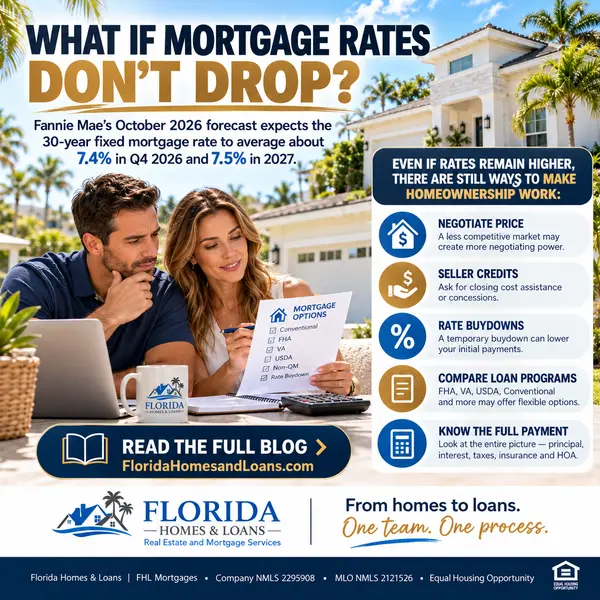
Selecting the best mortgage requires careful thought and planning. It involves understanding your financial goals and comparing available options.
Consider consulting with a mortgage broker to navigate complex choices. Balancing affordability with future plans will guide you to the mortgage that fits best.
Categories
Recent Posts